
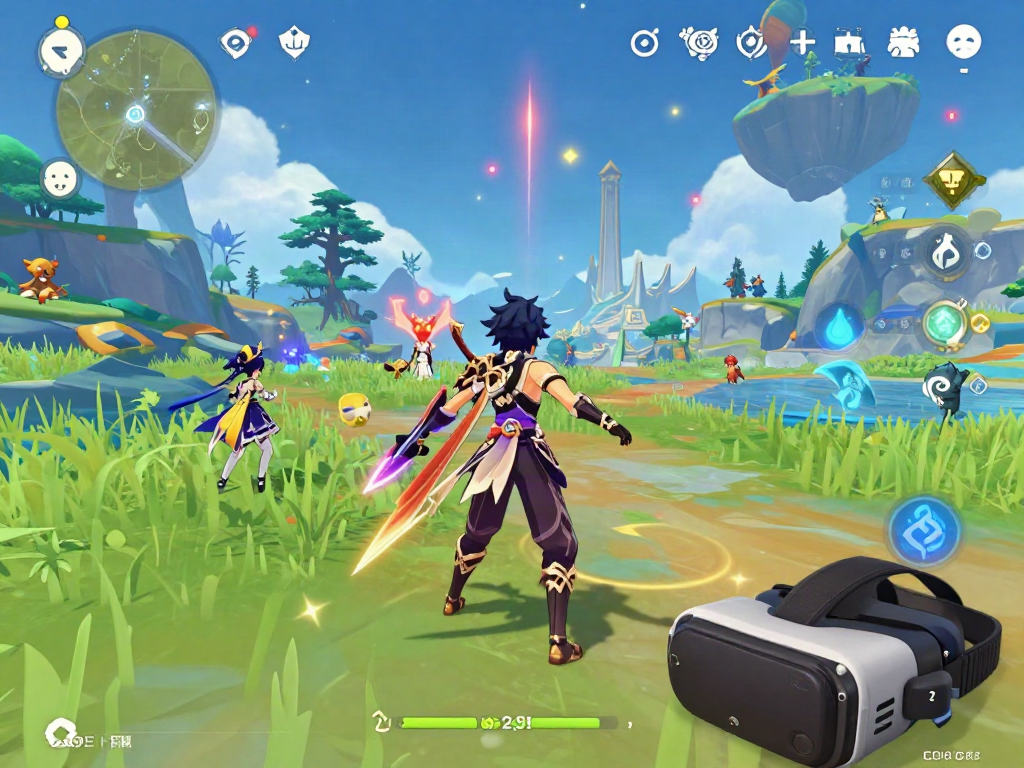
The Rise of Hentai Games in 2026
In recent years, the gaming industry has witnessed an explosion in the popularity of hentai game, a genre that highlights adult themes and often intertwines them with intricate storylines and gameplay mechanics. As we move into 2026, this trend is not merely a fleeting phenomenon but a cultural shift that reflects evolving societal attitudes towards adult content in gaming. This article delves deep into the defining characteristics, current trends, and future possibilities of hentai games, providing insights into why this genre has captured the imagination of players worldwide.
What Defines a Hentai Game?
A hentai game is typically characterized by explicit adult content, often portrayed through animated graphics and narrative-driven gameplay. These games can span various genres, including role-playing games (RPGs), visual novels, and simulations, each incorporating sexual themes in unique ways. Unlike mainstream games, hentai games prioritize adult storytelling, character relationships, and often feature stylized art that appeals to a niche audience.
Trends Shaping Hentai Game Development
Several trends are currently influencing the development of hentai games. Firstly, an increasing number of indie developers are entering the market, often motivated by the success of platforms like Patreon and Kickstarter, which provide funding avenues for adult content. Secondly, the integration of virtual reality (VR) has opened up new dimensions for immersive gameplay, allowing players to engage with characters and narratives in unprecedented ways. Lastly, social media platforms play a critical role in promotion and community building, enabling developers to reach wider audiences more effectively.
Impact of Technology on Gameplay Experience
Advancements in technology have significantly upgraded the gameplay experience of hentai games. High-definition graphics, realistic animations, and complex artificial intelligence (AI) algorithms enhance both the visual and interactive aspects of these games. Additionally, the use of blockchain technology for in-game assets is beginning to take shape, providing players the opportunity to own and trade unique digital items. As technology continues to evolve, so too will the possibilities for storytelling and character engagement within the hentai game genre.
Understanding the Audience for Hentai Games
Understanding the audience for hentai games is crucial for developers looking to create titles that resonate with players. The demographic landscape of hentai game players is diverse, encompassing various age groups, gender identities, and cultural backgrounds. Analyzing player preferences allows developers to refine their approaches and deliver content that meets the expectations of their audience.
Demographics of Hentai Game Players
Typically, the demographic for hentai game players skews male, primarily in the age group of 18 to 35. However, there is a growing interest among female players and other gender identities, reflecting a more inclusive gaming landscape. Market research indicates that this demographic enjoys not only the adult content but also the narratives and character arcs that hentai games offer.
Player Preferences and Expectations
When it comes to player preferences, many seek a combination of engaging storylines and appealing visual art. The expectation is that the games should not only deliver explicit content but also create compelling character interactions and emotional depth. Players increasingly appreciate customization options, allowing them to shape character relationships and outcomes based on their choices.
Common Misconceptions About Hentai Games
Despite their rising popularity, misconceptions about hentai games persist. One common myth is that these games lack quality in terms of gameplay or story. In reality, many hentai games are developed with intricate narratives and gameplay mechanics that rival mainstream titles. Another misconception is that all hentai games are misogynistic or objectifying; however, the industry is home to diverse narratives that challenge these stereotypes.
Design Elements in Hentai Games
Design elements play a vital role in creating an engaging hentai game. From art style to character development, these aspects contribute significantly to the overall player experience and satisfaction.
Art Style and Visual Appeal
The art style in hentai games ranges from hyper-realistic to stylized cartoonish graphics, with many games opting for anime-inspired designs. This visual appeal is crucial in attracting players, as stunning graphics can enhance the immersion and enjoyment of the game. The use of color, character design, and animated sequences all play into the aesthetic experience that players seek.
Character Development and Storytelling
Character development is a foundational element in hentai games, as players often become emotionally invested in the protagonists. Compelling storytelling is achieved through well-written dialogue, character backstories, and interactive choices that influence the narrative's direction. These elements work together to create a rich tapestry of experiences that keep players engaged.
Gameplay Mechanics: What Works Best?
Gameplay mechanics in hentai games can vary widely, but successful titles often incorporate elements such as branching storylines, decision-making, and inventory systems. Mechanics that allow for exploration and interaction enhance the player's sense of agency, making each choice meaningful. Additionally, mini-games and puzzles can offer variety, keeping the gameplay fresh and engaging.
Challenges in the Hentai Game Industry
Despite the growth of hentai games, developers face numerous challenges that can hinder success. Navigating legal issues, marketing difficulties, and societal perceptions are just a few hurdles that must be overcome.
Navigating Legal Issues and Regulations
The hentai game industry often grapples with complex legal landscapes, as laws surrounding adult content vary significantly by region. Developers must remain informed about these regulations to avoid potential legal complications. This includes adhering to age restrictions, consent laws, and copyright issues, which can impact distribution and marketing strategies.
Marketing Challenges and Strategies
Marketing hentai games comes with its own set of challenges, particularly due to restrictions on advertising adult content on mainstream platforms. Developers often rely on niche marketing strategies, utilizing adult-oriented social media, fan communities, and content creators to promote their games. Building a loyal fan base through engagement and transparency can also enhance marketing effectiveness.
Addressing Negative Perceptions
Negative perceptions about hentai games can pose significant challenges. Many still view these games as purely exploitative; thus, addressing such misconceptions through transparent communication about artistic intent and narrative depth is essential. Developers can create platforms for discussion and showcase the positive impacts of their titles to shift public opinion gradually.
The Future of Hentai Games: 2026 and Beyond
As we look to the future, the hentai game industry is set to evolve significantly. Predictions for development trends indicate a shift towards increased player involvement and personalization.
Predictions for Game Development Trends
In the coming years, developers are likely to place greater emphasis on inclusivity, offering a more comprehensive range of character options and narratives that reflect diverse experiences. As societal norms continue to shift, the content within hentai games may also evolve to explore more nuanced themes and relationships.
Emerging Technologies Influencing Gameplay
Emerging technologies such as augmented reality (AR) and AI are poised to revolutionize the hentai game landscape. AR can create interactive experiences that seamlessly blend virtual and real-world elements, while AI can personalize gameplay based on player behavior and choices. These advancements will ensure more immersive and dynamic gaming experiences.
Community Engagement and Player Interaction
The role of community engagement will become increasingly important as players seek more interactive and collaborative experiences. Developers may introduce features that facilitate player interaction, such as online multiplayer modes, forums, and content creation tools. This focus on community will enhance player investment and loyalty to specific titles.
What are the ethical considerations in hentai game design?
Ethical considerations in hentai game design include ensuring respectful representation of characters and narratives. Developers must navigate the delicate balance between artistic expression and societal responsibility, particularly in relation to themes of consent and portrayal of relationships.
How do hentai games differ from other adult games?
Hentai games distinguish themselves from other adult games through their emphasis on storytelling and character development. While many adult games focus solely on explicit content, hentai games integrate these elements into a cohesive narrative experience, often leading to deeper emotional connections with players.
What are the most popular themes in hentai games today?
Popular themes in hentai games range from fantasy and science fiction to slice-of-life and romance. These themes often explore unconventional relationships and situations, attracting a wide array of players. The diversity in themes allows for increased creativity and innovation within the genre.
How can developers promote their hentai games effectively?
Effective promotion of hentai games involves utilizing niche marketing tactics, engaging with target audiences on platforms designed for adult content, and leveraging influencer partnerships. Building a community around the game through forums and social media can foster player loyalty and encourage organic word-of-mouth promotion.
What role does player feedback play in the development of hentai games?
Player feedback is invaluable in the development process, as it allows developers to understand player preferences and expectations better. Through surveys and engagement in community discussions, developers can refine their games and address concerns, ultimately leading to improved player satisfaction and retention.